African crafts for kids often get squeezed into one afternoon of “African art,” as if 54 countries shared a single style. A mud-painted cloth from Mali and a wire toy from Malawi have very little in common.
Each project below names the place it comes from. Keep a map on the table and let your child find the country before the glue comes out.
You need mostly cardboard, paint, yarn and things from the recycling bin. These are kid-sized versions, and the real ones take years to master.
Cloth and Fabric Projects
Textiles are a good place to start because the results can be hung up or worn. Cover the table first.
1. Real Mud Cloth Banners From Mali
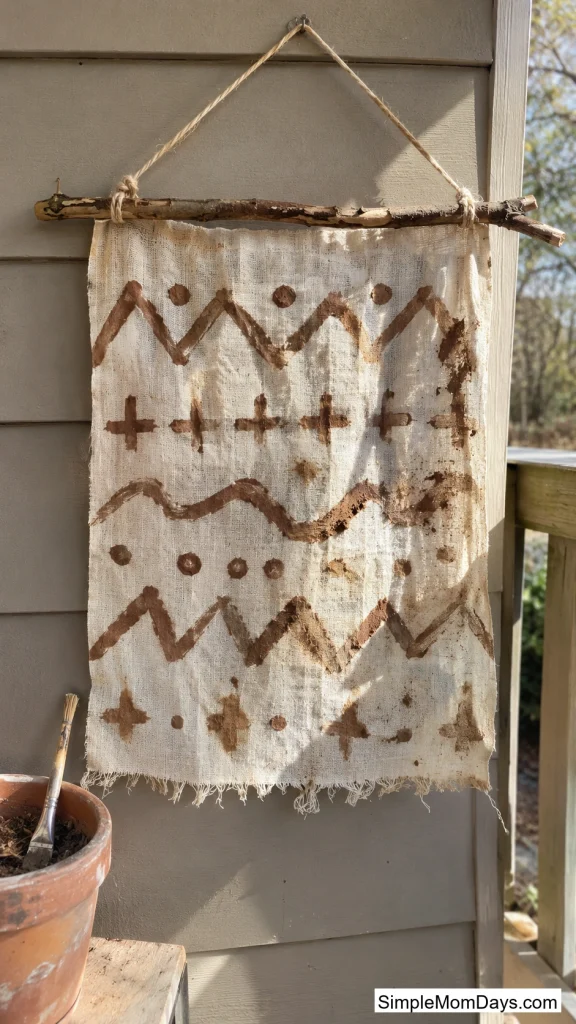
Bogolanfini, often called mud cloth, is closely associated with the Bamana people of Mali. Artists paint cotton with fermented mud, and kids can try it with dirt from the yard.
Soak a strip of muslin in strong black tea and let it dry. Sift some soil, stir in water until it feels like pudding, and paint zigzags, dots and crosses with an old brush.
Once the mud dries, rinse it off gently. A brownish shadow of the design should stay behind, and a second coat makes it darker.
Use bagged topsoil if your yard has pets, and have everyone scrub their hands afterward.
2. Flour Paste Adire Squares From Nigeria
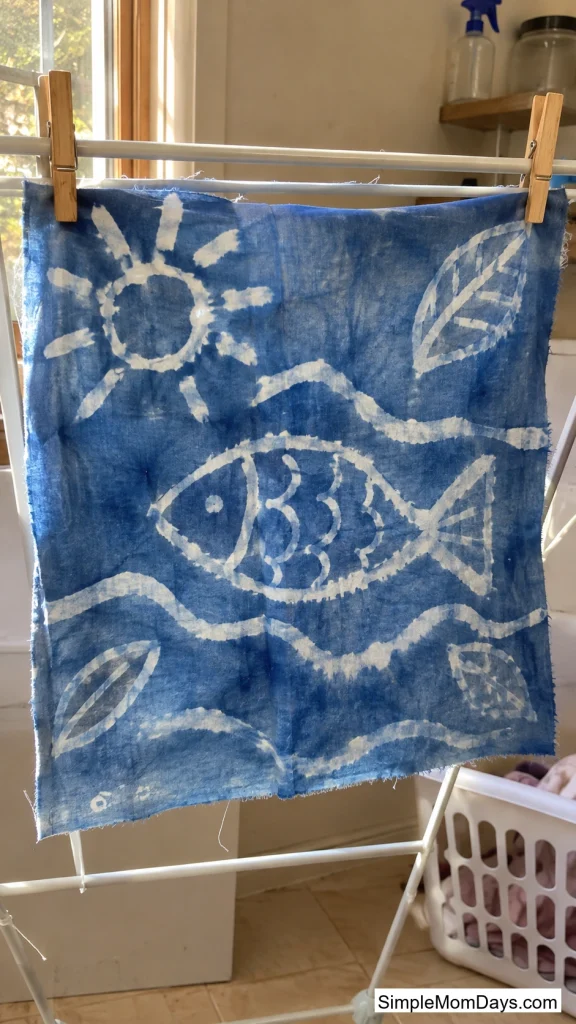
Adire is the indigo-dyed cloth made by Yoruba artists, and one type uses cassava starch paste to block the dye. Flour and water can stand in for it at home.
Mix equal parts of both and spoon it into a squeeze bottle. Draw simple shapes on white cotton, then leave it overnight to harden.
Brush watered-down blue fabric paint over the whole square. After it dries, flake off the paste and your child’s drawing appears in white.
3. Korhogo-Style Animal Panels From Côte d’Ivoire
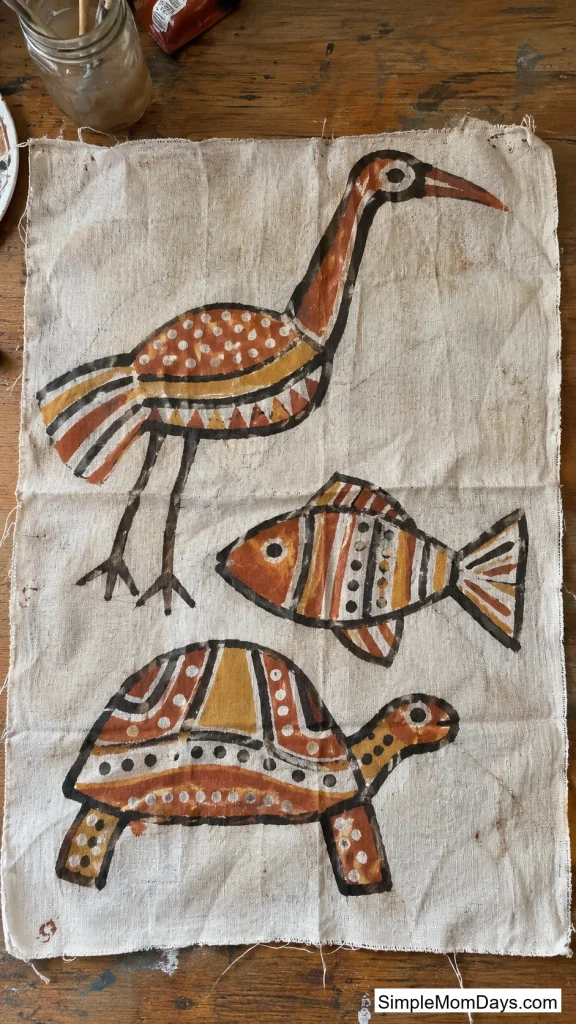
Senufo artists around the town of Korhogo paint birds, fish and other creatures onto handwoven cotton. The figures are flat, bold and easy to recognize from across a room.
Cut a rectangle of canvas drop cloth or a paper grocery bag. Have your child sketch three animals in pencil, then go over them with black and rust-brown paint.
Fill each body with stripes or dots instead of solid color. That one rule slows kids down in a good way and gives every animal its own coat.
Hang several panels in a row with clothespins. A set of three or four looks like a small gallery, and each child can explain why they picked their creatures.
4. Pillowcase Kangas From East Africa
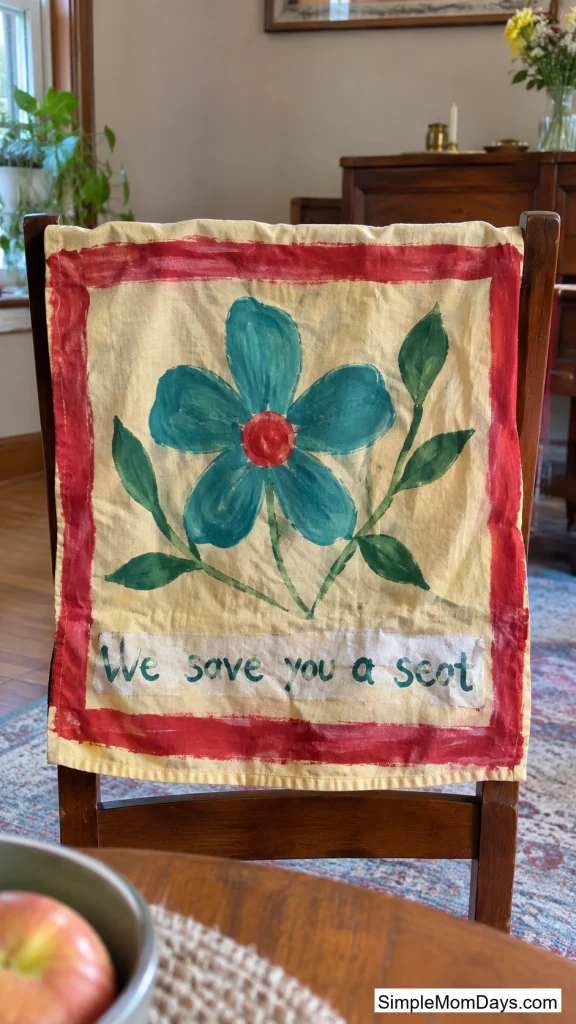
A kanga is a bright printed cloth worn in Kenya and Tanzania. It usually has a wide border, a central design and a line of Swahili writing.
Slide cardboard inside an old light-colored pillowcase. Paint a border all around, add one large shape in the middle and leave a strip free for words.
Those words are the fun part, since kanga sayings often share advice or a feeling. Let your child invent a family motto, such as “We save you a seat.”
Fabric markers are easier than paint for the lettering.
5. Eraser-Printed Shweshwe Paper From South Africa
Shweshwe is a printed cotton known for tiny repeating patterns, often in deep blue and white. It shows up in dresses, aprons and quilts.
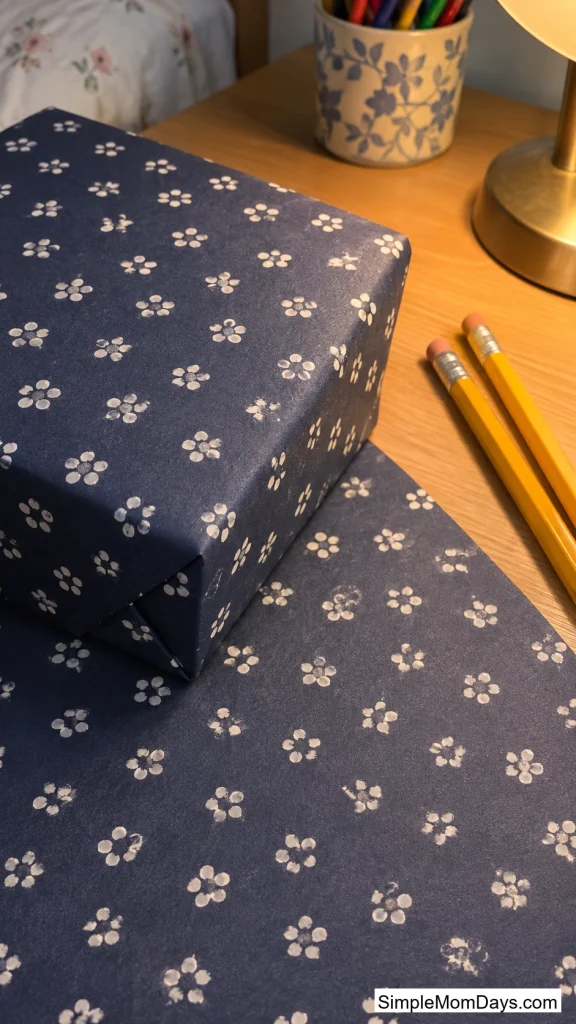
Give your child a sheet of navy paper, white paint and a new pencil. The eraser end prints a perfect dot every time.
Build flowers from six dots around one, then repeat them in rows. Preschoolers can manage this, and the finished sheet makes handsome wrapping paper.
Offer a second pencil with a smaller eraser for older kids. Two dot sizes make the pattern look far more detailed.
Painting and Wall Art
These four need very little cutting. They suit a child who would rather draw than build.
6. Tingatinga Animal Squares From Tanzania
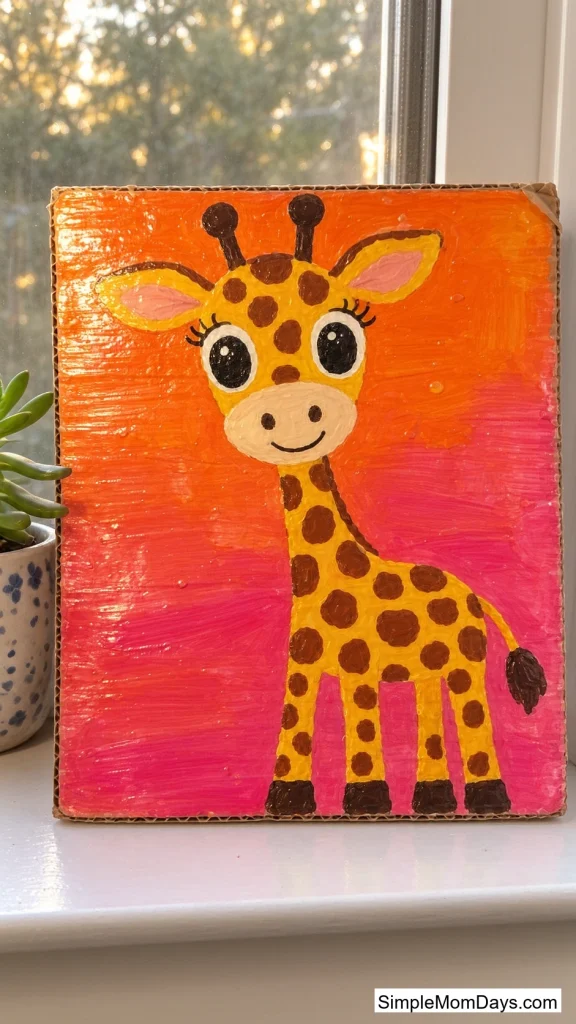
Tingatinga painting is named for Edward Saidi Tingatinga, who began the style in Tanzania in the 1960s. Think giraffes, birds and leopards in glossy, saturated color.
Cut a square from a shipping box and paint the whole background one shade, or blend two. Let it dry before adding a large animal on top.
Ask your child to make the creature fill the space, with big eyes and patterned skin. A final coat of white glue gives it shine.
Square boards are easy to display together, so save a few extra squares for visiting cousins. Allow an hour, including drying time between the background and the animal.
7. Four-Tile Litema Designs From Lesotho
Basotho women in Lesotho decorate house walls with patterns called litema. Many designs start with one square that gets repeated and mirrored.
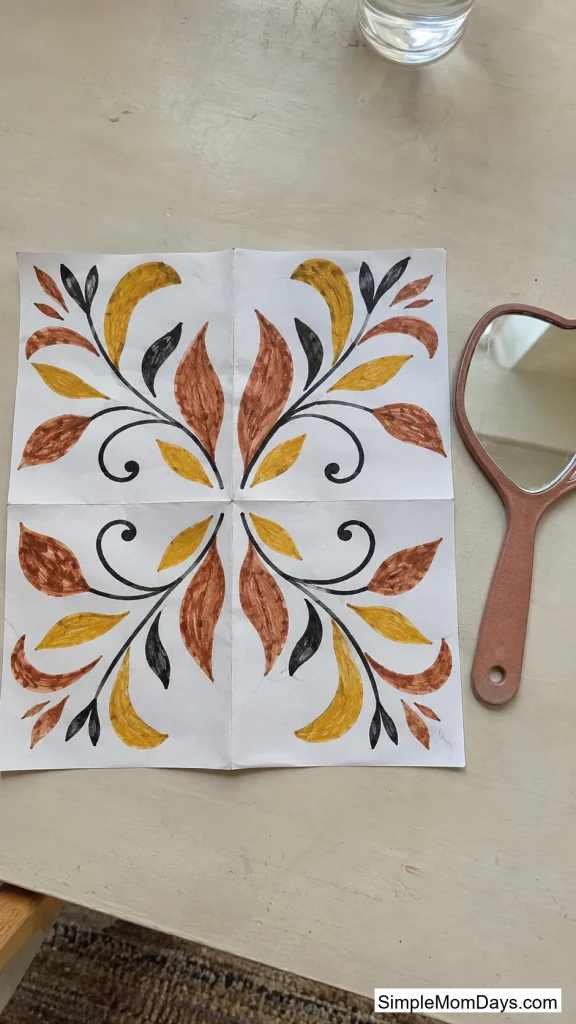
Fold a sheet of paper into four boxes. Draw curves or leaf shapes in the first, then copy them into the others as mirror images.
It’s a sneaky symmetry lesson. Holding a small mirror on the fold lets kids check what the next tile should look like.
Ages seven and up usually enjoy the puzzle of it.
8. Crumpled Paper Rock Art Inspired by San Painters
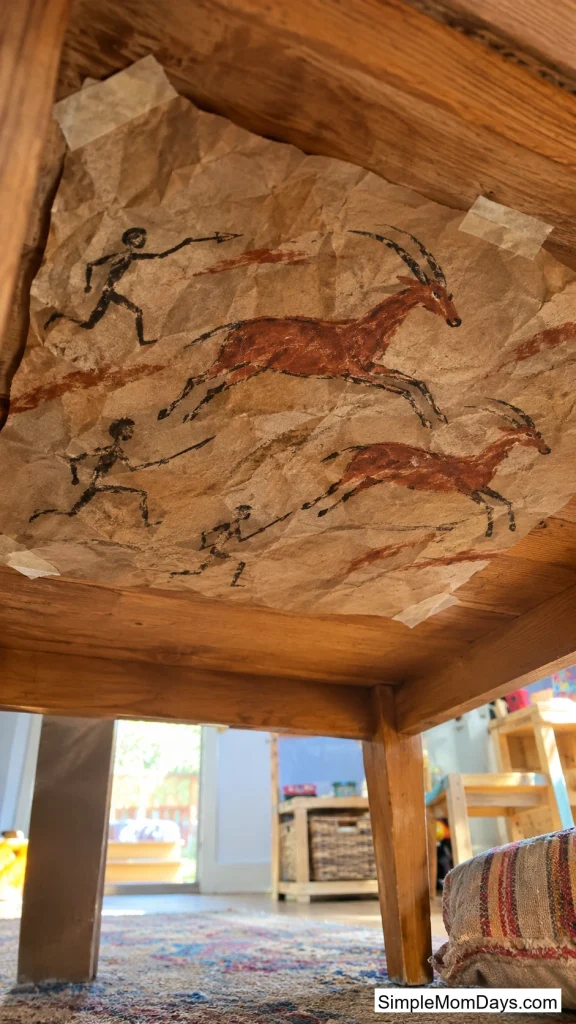
San people in southern Africa painted animals and human figures on rock, including many images of the eland, a large antelope. Some of those paintings are thousands of years old.
Crumple brown paper several times and smooth it out so it looks like stone. Paint with red-brown and cream, and add outlines with a charcoal stick.
Tape the sheet under a table and let your child paint lying on their back. Reaching upward changes how the lines come out, and kids find it hilarious.
9. Reverse Glass Pictures From Senegal
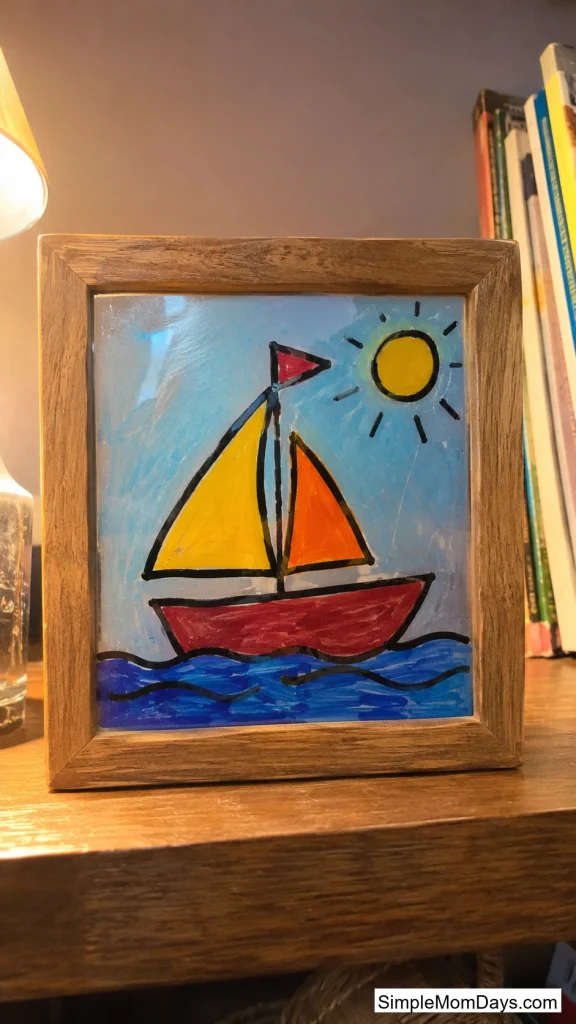
Senegalese painters have a long tradition of painting on the back of glass, known as sous-verre. The picture is viewed through the front, so the work happens in reverse order.
Swap glass for the clear plastic from a cheap frame or a binder cover. Draw outlines in black permanent marker first, then fill colors on that same side.
Flip it over and the surface looks smooth and bright. Remind kids that any letters need to be written backward.
Details such as eyes and buttons have to go on before the big areas of color. Talking through that order first saves tears later.
Beads and Wearable Pieces
Beadwork carries a lot of history across the continent. Keep small beads away from children under three.
10. Paper Plate Collars Inspired by Maasai Beadwork
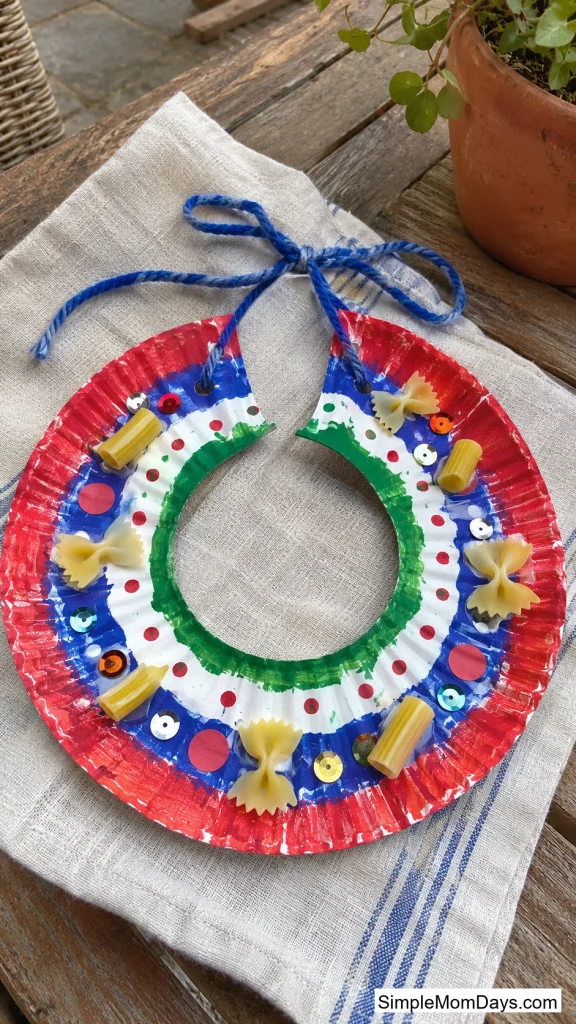
Maasai women in Kenya and Tanzania make wide, flat beaded collars in rings of strong color. A paper plate gives young children the same circular shape.
Cut out the center of the plate and snip one side so it slips around the neck. Paint rings in red, blue, white and green.
Glue on dried pasta, sequins or punched paper dots, one ring at a time. Tie the back with yarn so it sits comfortably.
Kids can wear their collars while they find Kenya and Tanzania on the map. Cereal box cardboard works if your plates are flimsy.
11. Felt Message Pins Inspired by Zulu Beadwork
Zulu beadworkers in South Africa are known for small pieces, often nicknamed love letters, where color and pattern can carry a message. Meanings vary by area and maker.
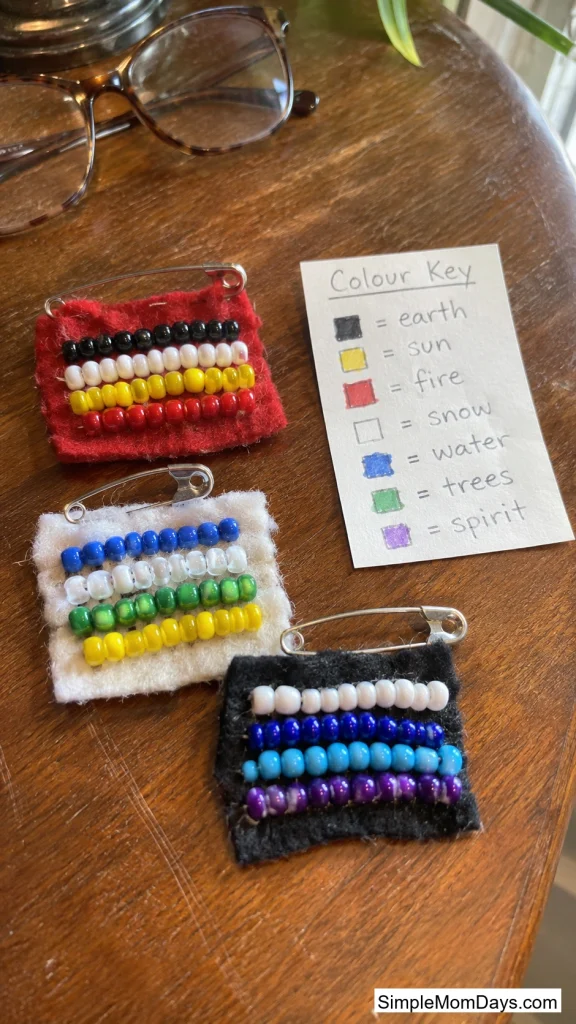
Cut a one-inch felt square and glue on seed beads or dots of puffy paint in rows. Stitch or tape a safety pin to the back.
Have your child decide what each of their colors means and write a tiny key. Yellow might say “I miss you” and green “come play.”
These make sweet gifts for a grandparent.
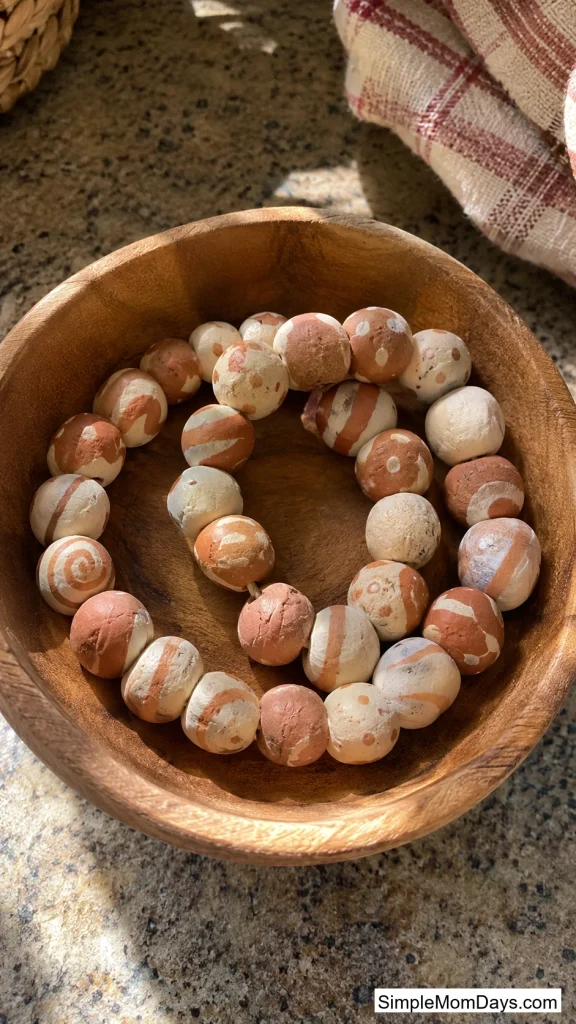
12. Patterned Clay Beads Inspired by Ghana’s Krobo Makers
Krobo artisans in Ghana are famous for beads made from recycled glass, fired in clay molds. Glass work is off the table for kids, but the layered patterns translate well to air-dry clay.
Roll marble-sized balls and push a skewer through each one. Press on thin snakes or flecks of a second color and roll gently.
Dry them for a day or two, turning once so the bottoms don’t flatten. Talking about the real beads also opens up a chat about making new things from old bottles.
String the finished beads on elastic cord for a bracelet. Eight to ten usually go around a small wrist.
Sculpture and Handmade Toys
Some children need to make something they can pick up and move around. These three deliver that.
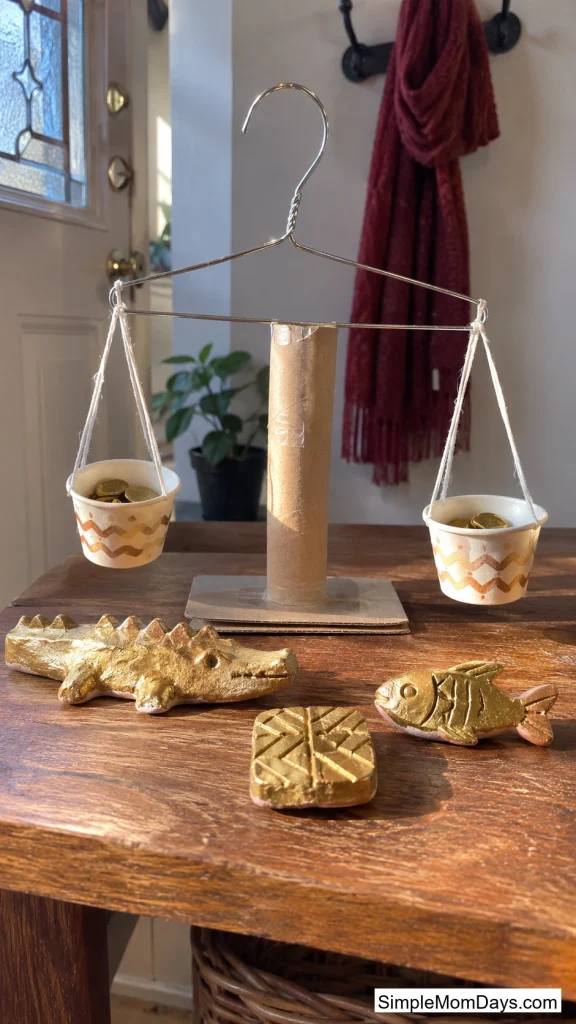
13. Golden Clay Weights From the Akan of Ghana
Akan traders once used small brass weights to measure gold dust. Many were shaped like animals, fish or geometric forms.
Shape thumb-sized figures from air-dry clay and press lines into them with a toothpick. Paint them gold once they’re hard.
Then set up a balance with a coat hanger and two paper cups. Kids can find out how many coins match their crocodile, which turns art time into math.
Ages five and up can handle the shaping. Younger siblings can sort the finished pieces by size.
14. Pipe Cleaner Galimoto From Malawi
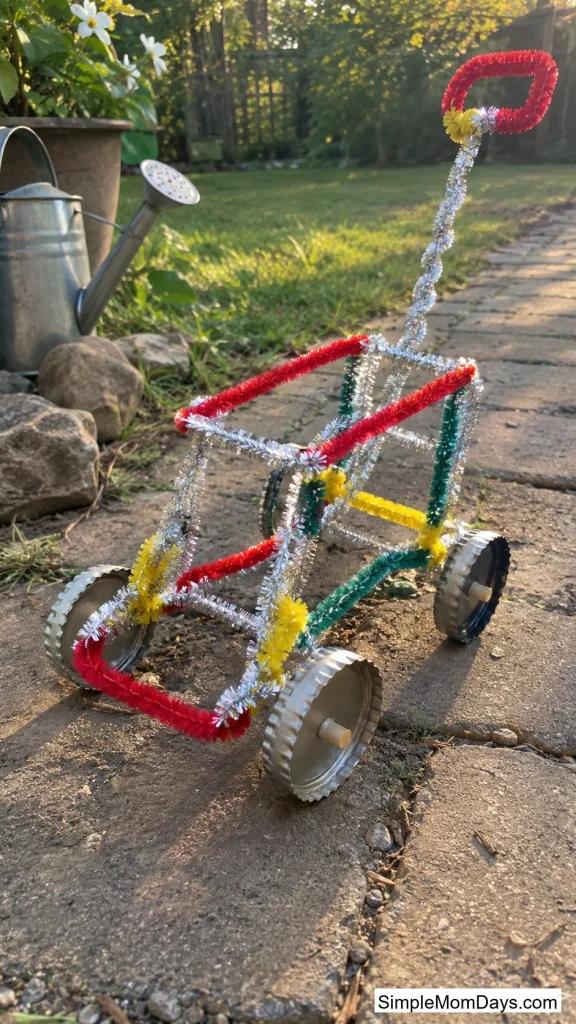
Galimoto means car in Chichewa, and children in Malawi build push toys from scraps of wire. Pipe cleaners are far kinder to small fingers.
Twist two rectangles for the sides, join them with short pieces and add four bottle cap or cardboard wheels. A long handle lets the child steer from standing height.
Read Karen Lynn Williams’ picture book “Galimoto” first. It follows a boy named Kondi as he hunts for enough wire to build his own.
Expect some wobbly axles and plenty of rebuilding.
15. Soap Carvings Inspired by Zimbabwe’s Stone Sculptors
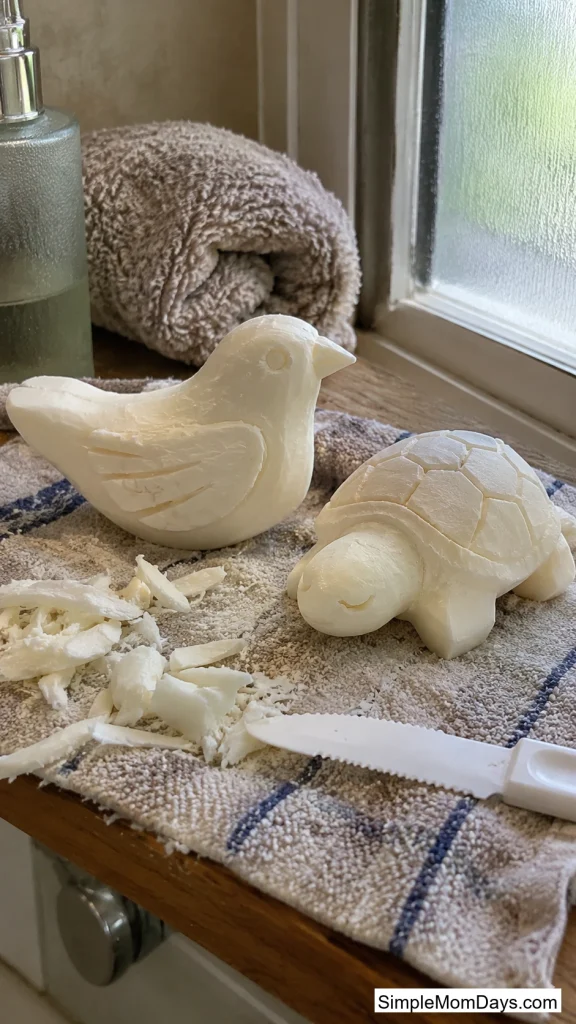
Zimbabwe is known for Shona stone sculpture, with smooth, rounded figures of people and animals. A bar of soft soap lets children carve safely.
Scratch an outline onto the bar with a toothpick. Shave away small slivers with a plastic knife, working a little on every side.
Rub the finished shape with a damp fingertip to smooth it. Simple forms such as a bird or a sleeping tortoise work much better than anything with thin legs.
Spread a towel underneath to catch the shavings. You can tie them up in an old sock and use them at the sink.
Basket Making
Coiling and weaving ask for patience. Put on some music and settle in.
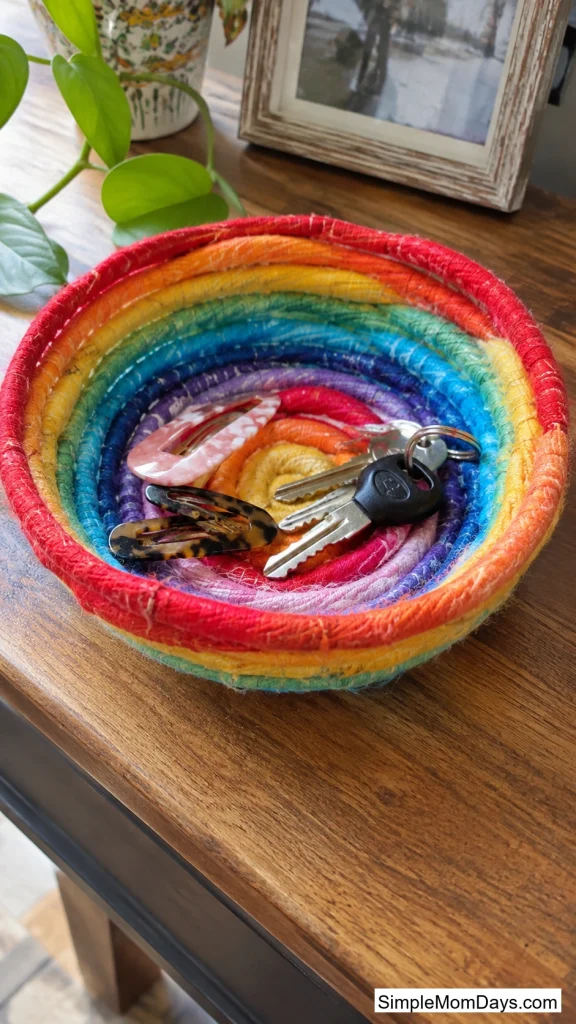
16. Coiled Rainbow Bowls Inspired by Zulu Wire Baskets
Zulu weavers in South Africa create swirling bowls from colored telephone wire. The spirals of color are the part kids love to copy.
Wrap yarn around cotton rope, then coil the rope into a flat circle with dots of low-temperature glue. Start stacking the coils at an angle to raise the sides.
Change yarn colors every few inches to get bands and swirls. An adult should run the glue gun.
Plan on two sittings for a bowl that holds keys or hair clips.
17. Paper Cup Baskets Inspired by Bolga Weaving
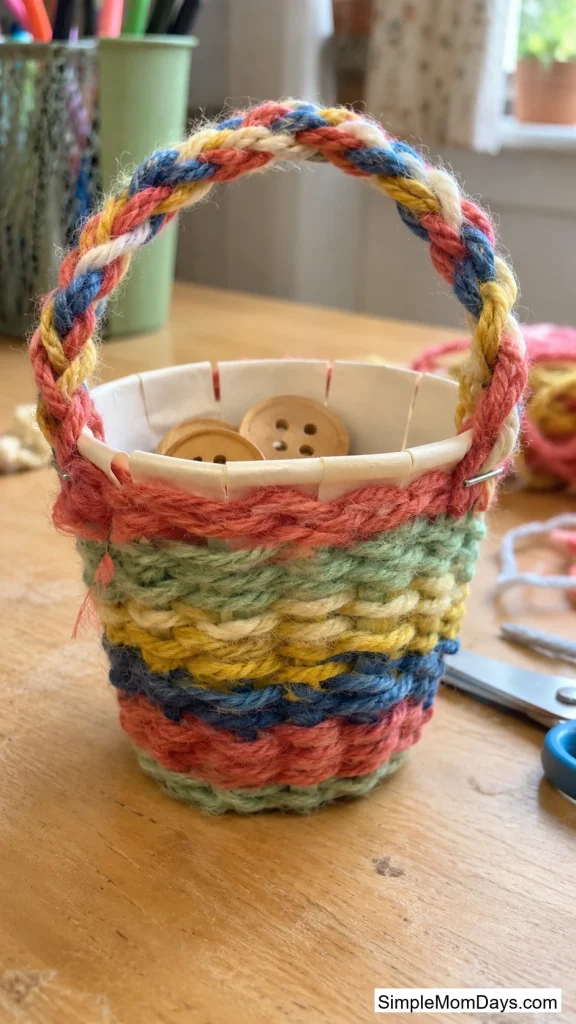
Bolga baskets come from the Bolgatanga area of northern Ghana, where weavers twist elephant grass into sturdy market baskets. A paper cup makes a forgiving frame.
Cut slits down the cup to make an odd number of strips, such as nine. The odd count keeps the over-under pattern alternating on each round.
Weave yarn upward, pushing every row down tight, and tuck in the end. Staple on a braided handle and fill it with something small.
Thick yarn fills the cup faster, which helps a child with a short attention span. Variegated yarn makes stripes without any color changes.
Stitching, Tiles and Flags
The last group is about shapes fitted together. It rewards careful cutters.
18. Felt Tentmaker Panels From Egypt
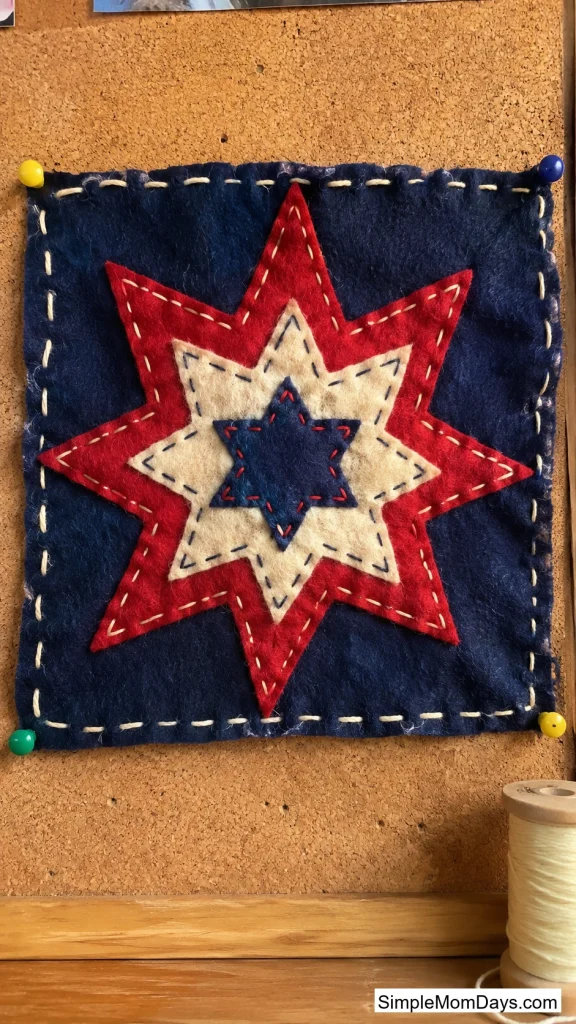
Khayamiya is the colorful appliqué made by tentmakers in Cairo. Stitchers layer cut fabric into stars, flowers and curling designs.
Fold a felt square in quarters and cut a shape through the layers. Open it up and glue it onto a contrasting piece.
Add a smaller shape in a third color on top. Older kids can sew around the edges with a plastic needle and embroidery thread.
Look up photos of real khayamiya together before starting. The curling shapes give children plenty of ideas beyond simple stars.
19. Paper Zellige Mosaics From Morocco
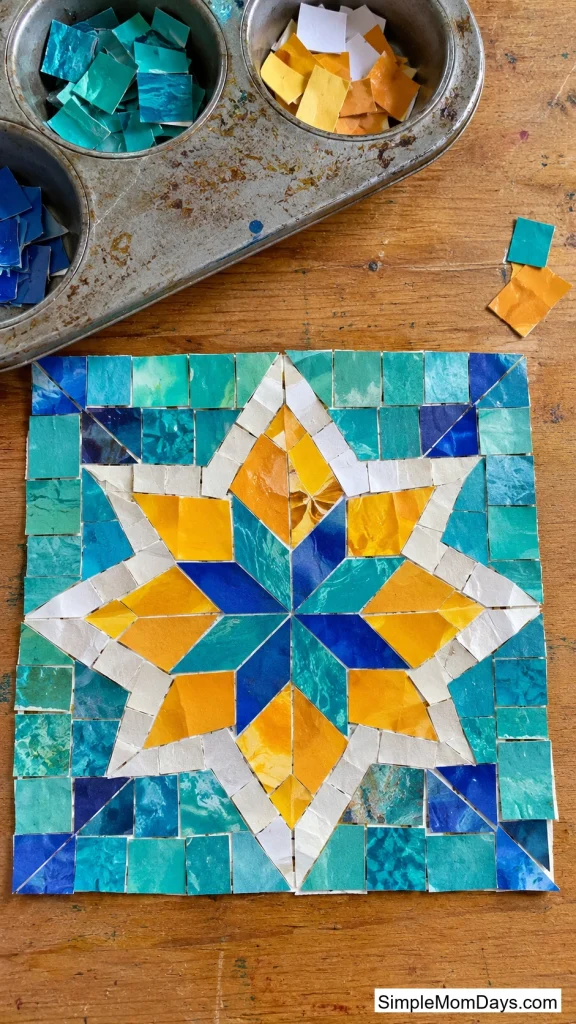
Zellige is Moroccan tilework made from hand-cut pieces of glazed tile fitted into geometric patterns. Fountains and walls are covered in it.
Cut small squares and triangles from magazines or paint chips. Draw an eight-pointed star by overlapping two squares, then fill outward from it.
Leave a thin gap between pieces to act as grout. The pattern looks crisp even if the cutting isn’t perfect.
Sort the colors into muffin tin cups before you begin.
20. Family Proverb Flags Inspired by Fante Asafo Banners
Fante military companies in coastal Ghana, called Asafo, made appliquéd flags with lively figures that often illustrate proverbs. Each flag has something to say.
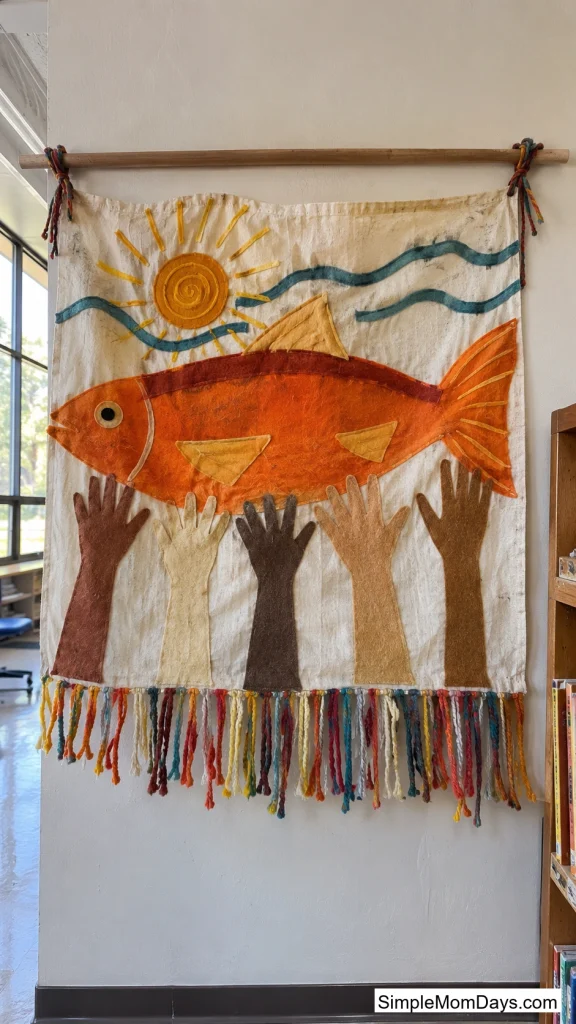
Pick a family saying, then act it out in felt shapes on a rectangle of fabric. “Many hands” could show five hands lifting one big fish.
Glue a fringe along the edge and hang it from a stick. Ask visitors to guess the saying before your child reveals it.
This works well for a classroom too, with each table taking a different proverb. Give them about 40 minutes.
21. Burlap Stitch Squares Inspired by Kuba Cloth
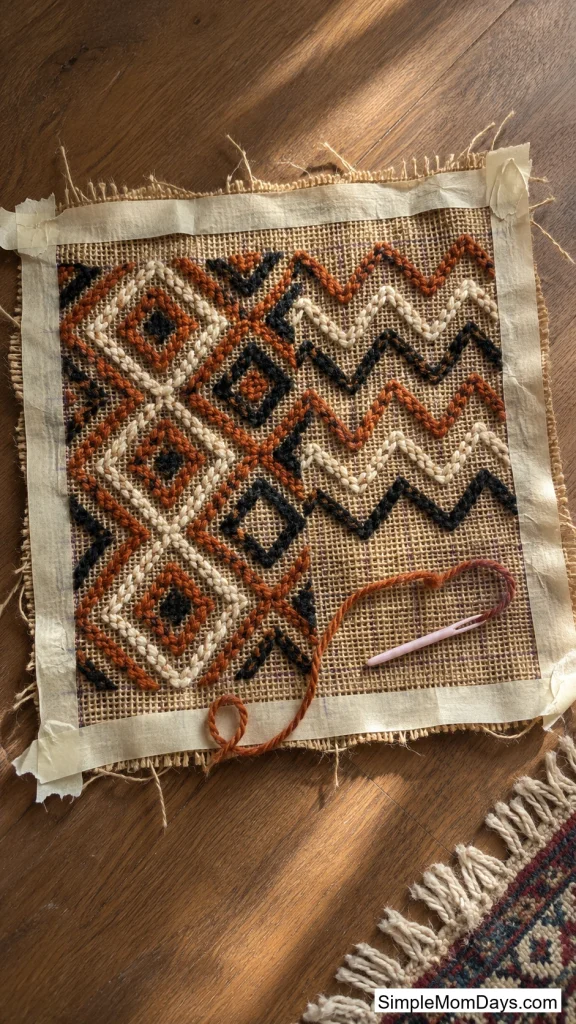
Kuba artists in the Democratic Republic of the Congo embroider raffia cloth with geometric designs that shift and surprise. The patterns rarely repeat in a strict way.
Tape the edges of a burlap square to stop fraying. Draw diamonds and zigzags in marker, then stitch over the lines with yarn and a blunt needle.
Tell your child it’s fine to change the pattern halfway across. Joining several squares from siblings or classmates makes a striking wall piece.
Bringing It All Together
Choose two or three projects from different countries and hang them side by side. The differences between them teach more than any single craft can.
If you want quicker projects for a busy week, try our easy crafts for kids. Families planning a June celebration may also like these Juneteenth ideas for kids.
For another set of projects tied to specific peoples and places, see our Native American crafts for kids. Our under the sea crafts are there for the next ocean phase.