Some kids count down to Halloween. Others start dreading it the moment the first inflatable skeleton shows up on a neighbor’s lawn. If your child gets quiet or clingy when talk turns to costumes and trick-or-treating, you’re not doing anything wrong, and neither is your kid. Their nervous system just processes crowds, masks, and sudden noise differently.
The good news is that Halloween isn’t one fixed experience you either brave or skip. It’s a pile of separate pieces — costumes, candy, decorations, doorbell-ringing, darkness — and you can pick and choose which ones your family actually wants. A kid who hates knocking on strangers’ doors might light up over a pumpkin painting session or a glow-stick scavenger hunt in the backyard.
Here are 17 ways to give an anxious child a Halloween that feels good to them, not one borrowed from a horror movie.
Costumes That Feel Safe, Not Stressful
A costume is supposed to be fun, not something a kid has to survive for three hours. These options keep the fantasy without the itch, the heat, or the panic of not being able to breathe or hear properly.
1. A Trial-Run Costume Day
Pull the costume out a week or two before Halloween and let your child wear it around the house for an hour, just to test it out. This isn’t about getting a cute photo — it’s about finding the itchy tag or the too-tight elastic before it becomes a meltdown on the actual night.
Kids with sensory sensitivities often can’t predict how a fabric will feel until it’s actually on their skin, and by then it’s too late to swap it out. A trial run gives you time to cut out a tag, size up, or scrap the costume entirely for something softer.
Do this on a low-stakes afternoon, not right before you need to leave for a party.

2. Ears, a Tail, and a Favorite Hoodie
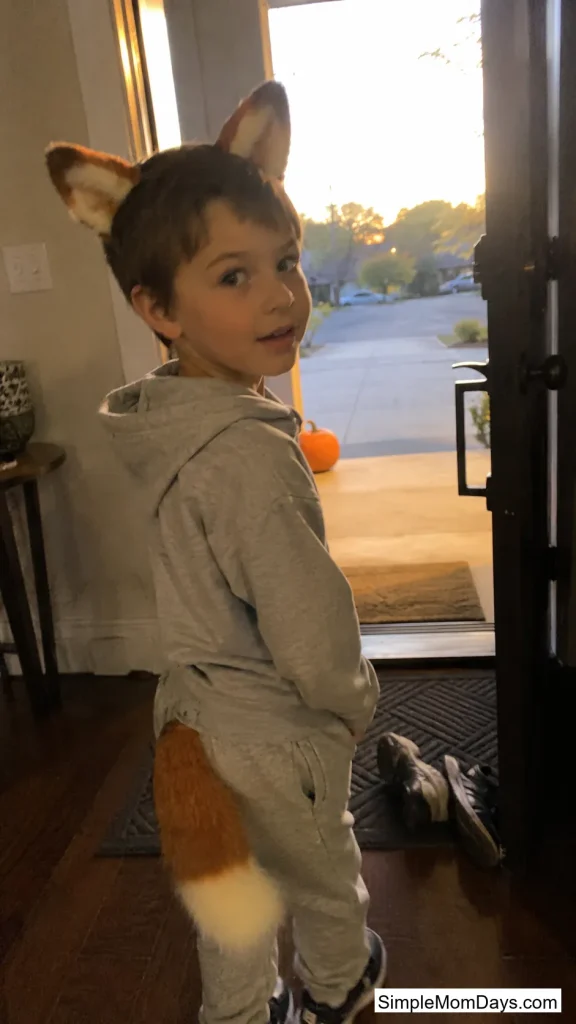
Skip the mask entirely and build a costume around clothes your child already loves wearing. A pair of felt ears clipped to a headband and a tail pinned to sweatpants turns a familiar, comfortable outfit into a cat, fox, or bunny in about ten minutes.
Masks trap heat and muffle sound, which can be genuinely distressing for a child who’s sensitive to how their own breathing sounds. Face paint applied lightly, or no face covering at all, keeps their vision and hearing intact so they still feel in control of their surroundings.
This approach also means zero new fabric touching their skin — everything is already broken in.
3. Headphones Built Into the Costume
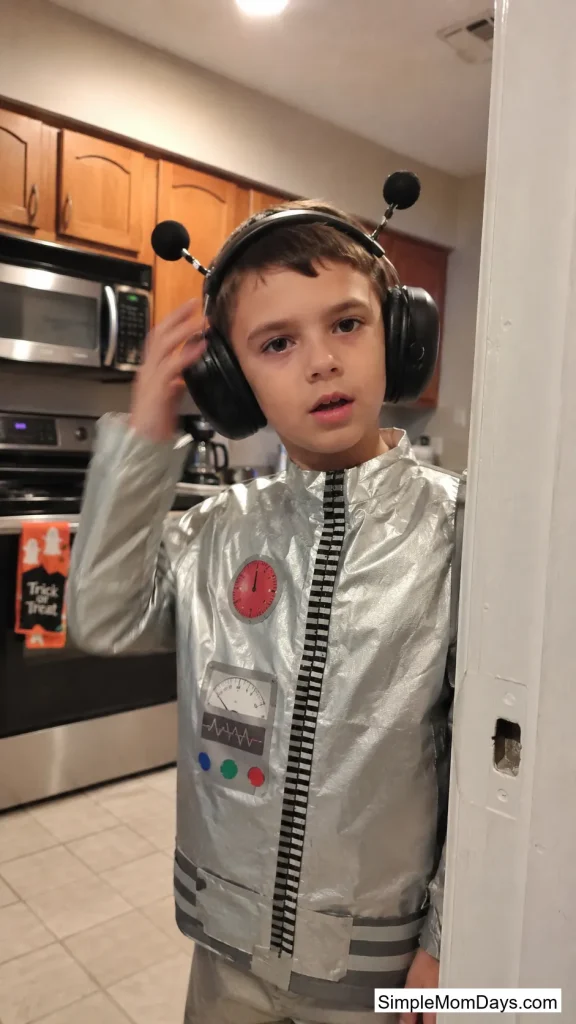
If your child already relies on noise-canceling headphones to get through loud environments, don’t fight that — dress it up instead. A pair of headphones becomes the perfect base for an air traffic controller, a DJ, or a robot with “sound sensors,” so the tool they need doubles as part of the look.
This removes the awkward choice between “wear the costume” and “protect my ears.” The child gets to be fully in character while still muting the doorbell chaos and other kids shrieking on the sidewalk.
It also means less negotiating in the moment, since the headphones were part of the plan from the start.
Trick-or-Treating, Reimagined
Traditional door-to-door trick-or-treating is loud, dark, and unpredictable — a rough combination for a child who needs to know what’s coming next. These variations keep the candy without the chaos.
4. Daylight Doorbell Rounds
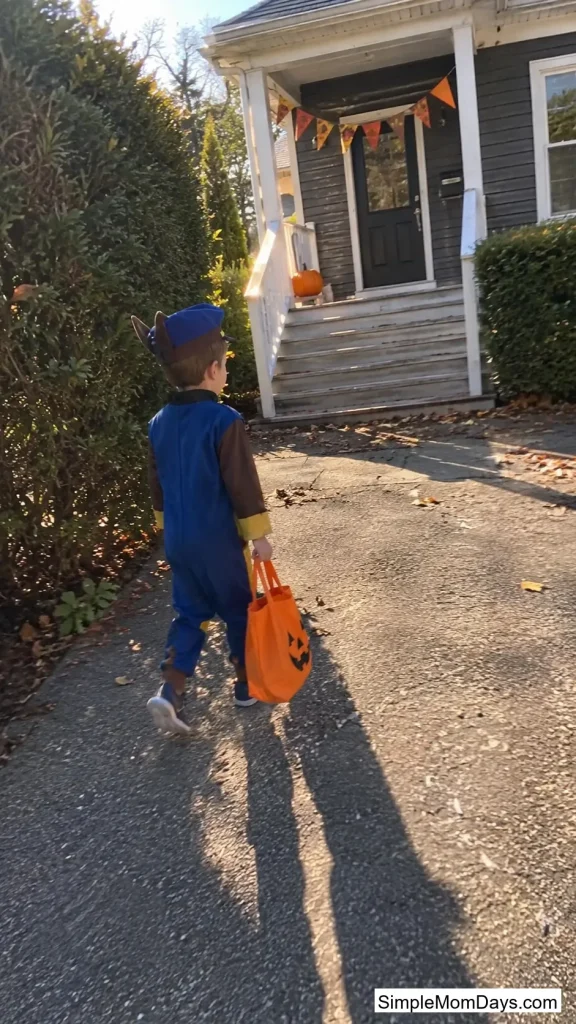
Head out while the sun is still up instead of waiting for dusk. Streets are quieter, fewer big groups are out yet, and your child can actually see who’s coming toward them instead of being startled by shapes appearing out of the dark.
Many neighborhoods have plenty of early activity between 4 and 6 p.m., so you’re not missing out on candy — you’re just avoiding the peak crowd window when things get loud and disorganized.
This also means an easier bedtime, since nobody’s coming home overstimulated at 9 p.m.
5. A Short List of Familiar Houses
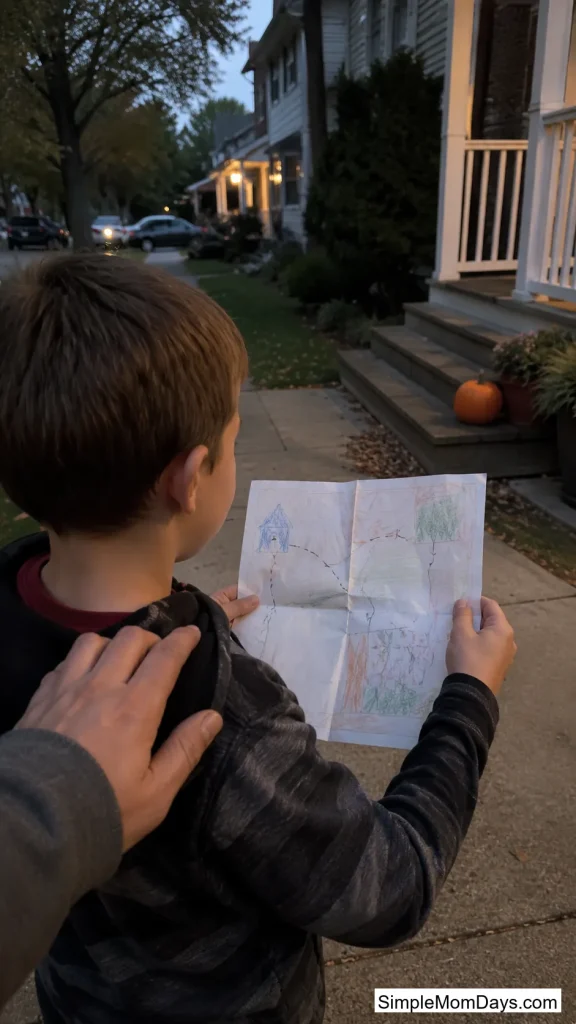
Instead of covering the whole block, map out five or six houses belonging to people your child already knows — grandparents, a favorite neighbor, a family from school. Walk the route together ahead of time so the path itself isn’t a surprise.
Familiar faces answering the door remove one entire layer of stranger-danger anxiety, and a known route means no wondering what’s around the next corner. Your child gets the ritual of trick-or-treating without the unpredictability of a whole neighborhood of strangers.
Six good doors and a pocket full of candy is still a full Halloween.
6. A Quiet-Hour Trunk-or-Treat
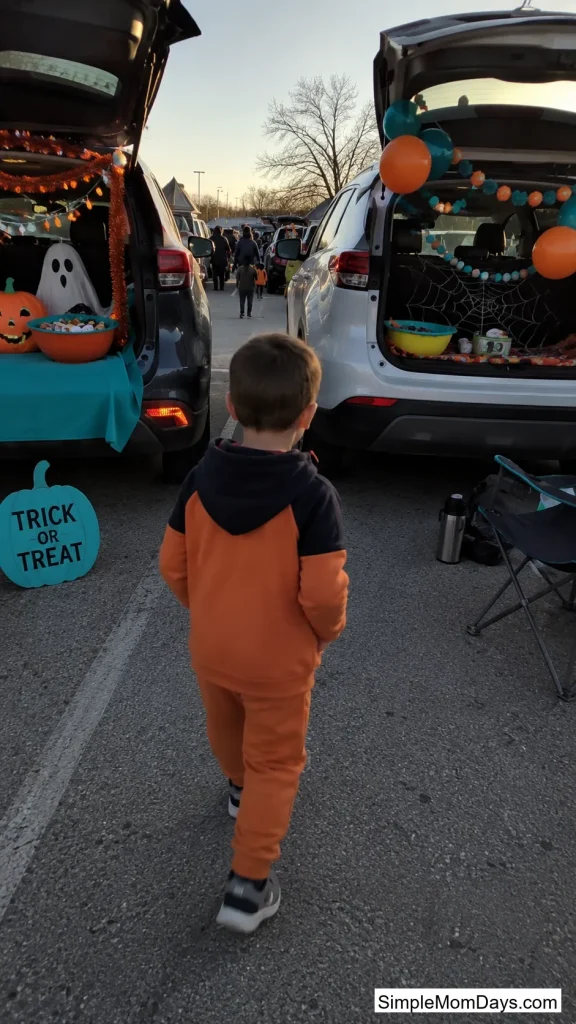
Many community trunk-or-treats now set aside the first 30 to 60 minutes as a lower-stimulation window — dimmer decorations, no jump scares, no sound effects blasting from car speakers. If your local event doesn’t already offer this, it’s worth a quick email to the organizer asking for one.
A parking lot full of decorated car trunks is easier to navigate than a whole street, since kids move at their own pace between cars instead of dodging groups on sidewalks. Arriving during that quiet window means your child gets the format without the sensory overload that usually comes with it.
Look for a teal pumpkin on any trunk, too — it signals non-candy treats for kids who do better with a small toy than a sugar rush.
7. An Indoor Candy Scavenger Hunt
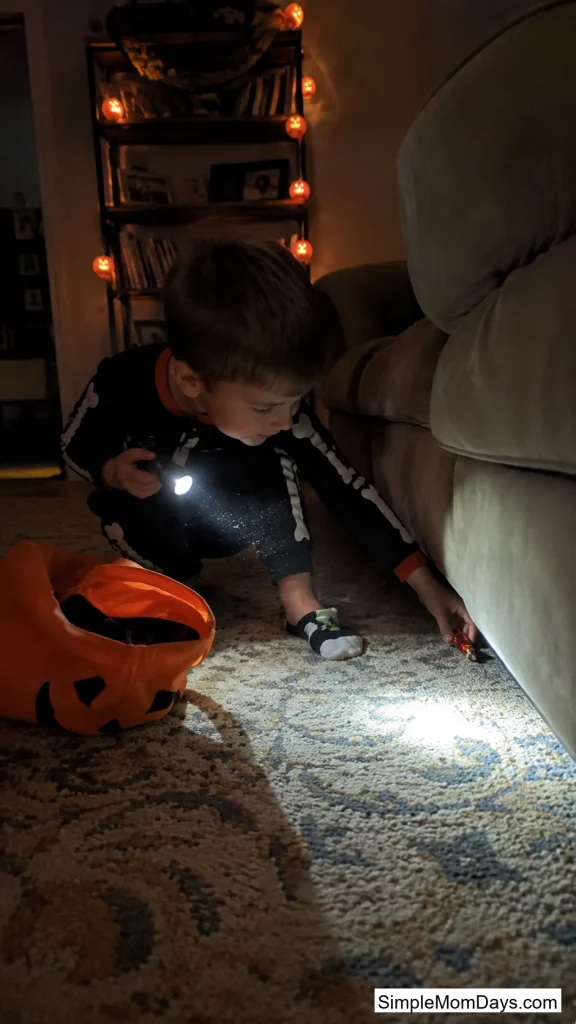
Skip the outdoors altogether and hide small wrapped candies or trinkets around the house instead. Give your child a flashlight and a bag, and let them search at whatever pace feels good, with no strangers, no costumes bumping into them, and no pressure to perform “trick or treat” on cue.
This works especially well for kids who like the idea of collecting treats but freeze up at the social script of ringing a doorbell and talking to an adult they don’t know. You control the lighting, the noise level, and how long it lasts.
Turn the lights low and hand them a small flashlight for a bit of spooky atmosphere without any real fear involved.
Calm Hands-On Activities
These give your child something to do with their hands, which is often more calming for anxious kids than sitting and waiting for the “scary parts” of Halloween to happen.
8. No-Carve Pumpkin Decorating
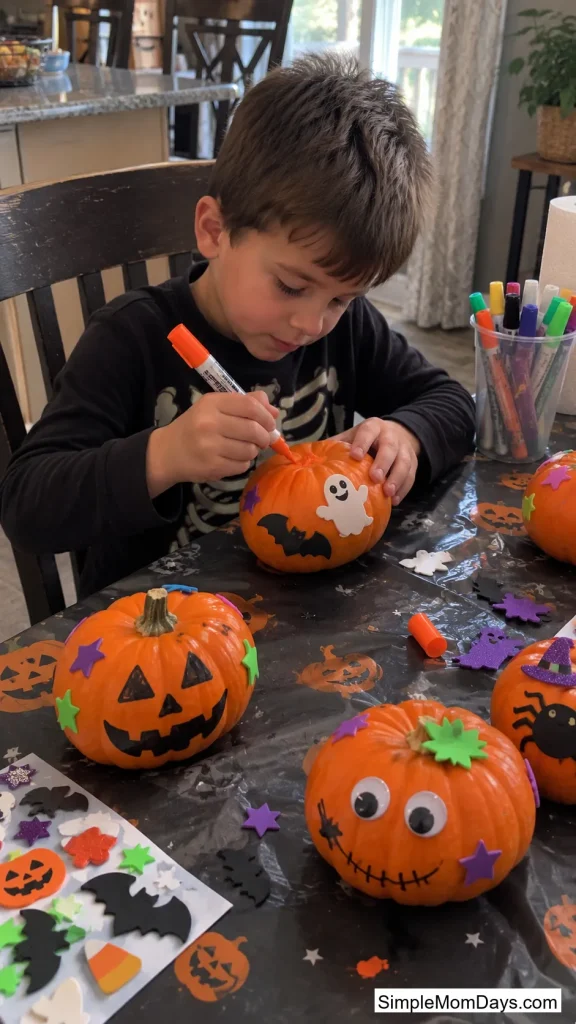
Hand your child stickers, paint pens, and foam shapes instead of a carving knife. They get the same finished jack-o’-lantern look on the porch without the wet, stringy pumpkin guts or the loud scraping sound of a knife against the shell.
A lot of sensory-sensitive kids are bothered less by the pumpkin itself and more by the smell and texture of scooping out the inside. Decorating from the outside gives them full creative control while keeping their hands clean and dry the whole time.
Set a few pumpkins of different sizes on the table so everyone in the family can decorate their own at the same time.
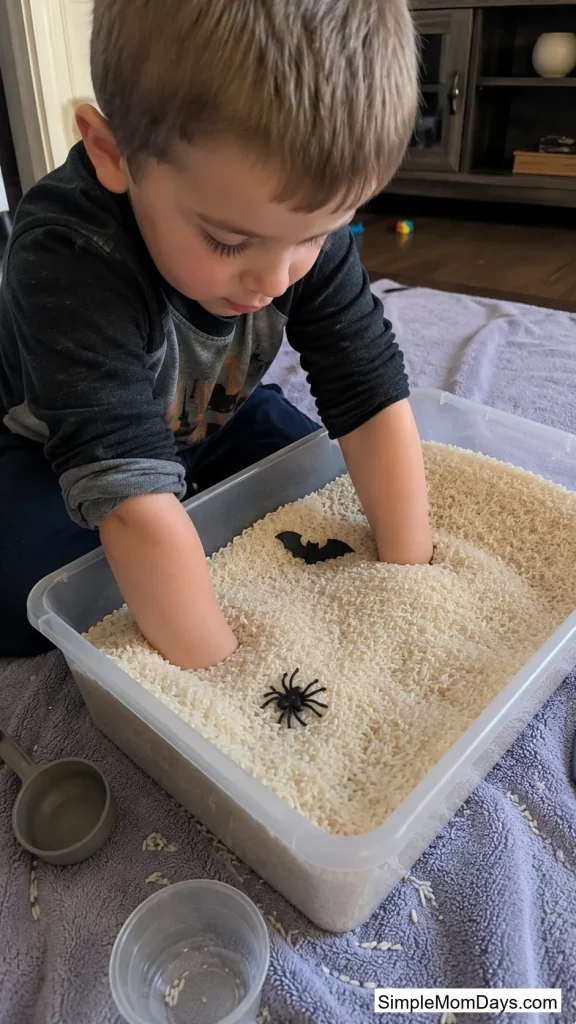
9. A Halloween Sensory Bin
Fill a shallow bin with dried rice, beans, or pasta and bury a handful of small Halloween toys inside — plastic spiders, mini pumpkins, foam bats. Let your child dig through with their hands or a small scoop to find what’s hidden.
Repetitive digging and scooping is genuinely regulating for a lot of kids, giving their hands something steady to do while their mind settles. It’s Halloween-themed without a single scary element in the bin itself.
Keep a towel underneath for easy cleanup, and store the bin in a zip-top bag afterward to reuse next year.
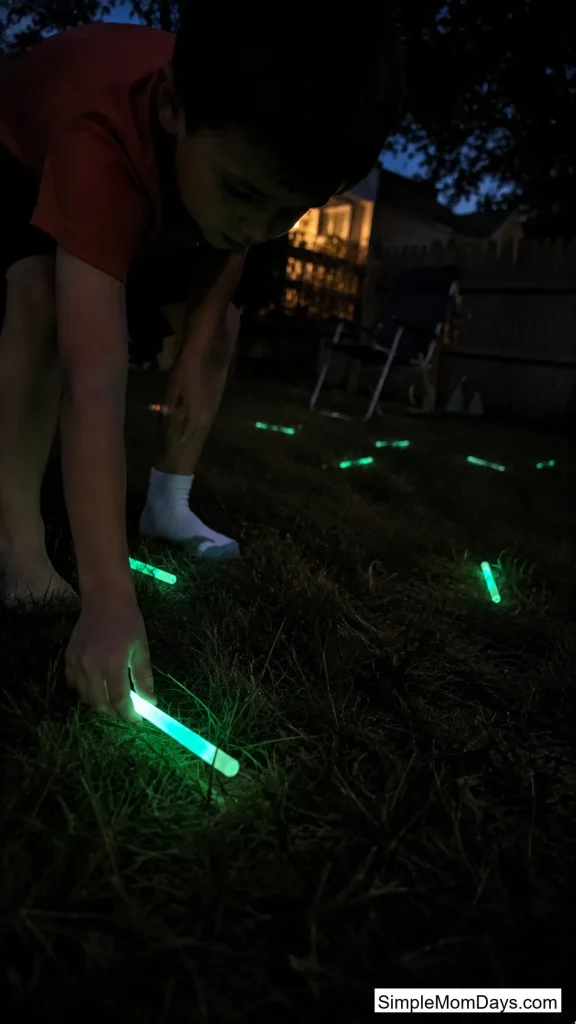
10. A Glow-Stick Backyard Walk
Crack a handful of glow sticks and scatter them around the backyard or a short stretch of sidewalk after dark, then let your child collect them at their own pace. It’s the visual magic of Halloween night — lights glowing in the dark — with none of the crowd noise or unpredictable strangers.
Kids who find full darkness unsettling often do fine with small, controlled points of light they can walk toward one at a time. You can turn it into a simple game by hiding a few extra glow sticks in bushes or under a chair.
This works as a stand-alone activity or as a calm way to end a bigger Halloween night.
Preparing the Mind Ahead of Time
A lot of Halloween anxiety comes from not knowing what’s about to happen. These ideas fill in that gap before the actual day arrives.
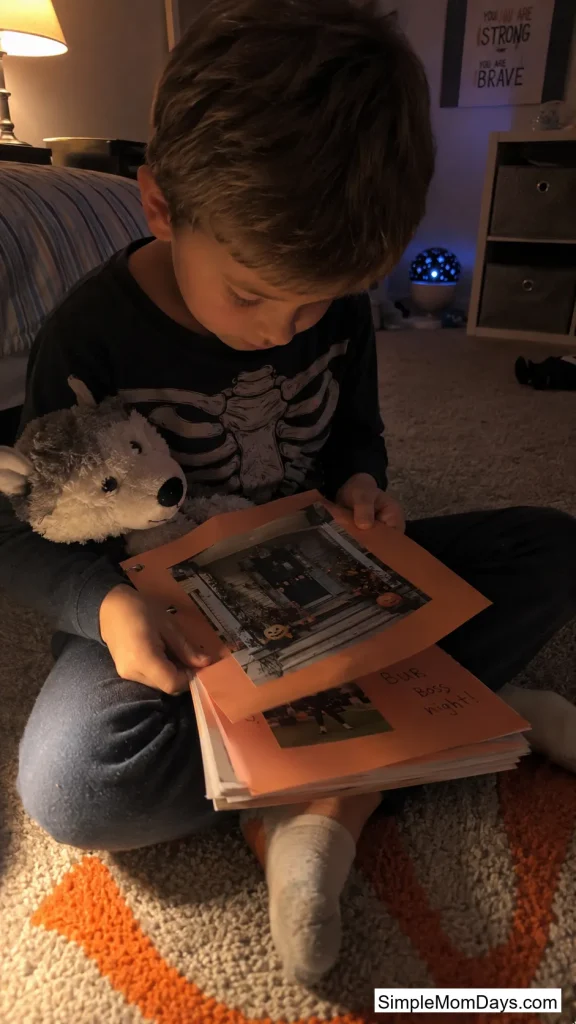
11. A Homemade “What to Expect” Storybook
Take a few photos around your own neighborhood — a decorated porch, a kid in a costume, a candy bowl — and put them in order in a simple photo book or even just a stack of printed pages. Read through it together a few times in the week leading up to Halloween.
Seeing the actual sequence of events in a low-pressure setting, days ahead of time, gives an anxious child a mental script to follow instead of walking into the unknown. This matters more for Halloween than most holidays, since so much of the visual environment changes overnight.
Keep the photos ordinary and calm — no scary decorations included, just the parts of the night you actually plan to do.
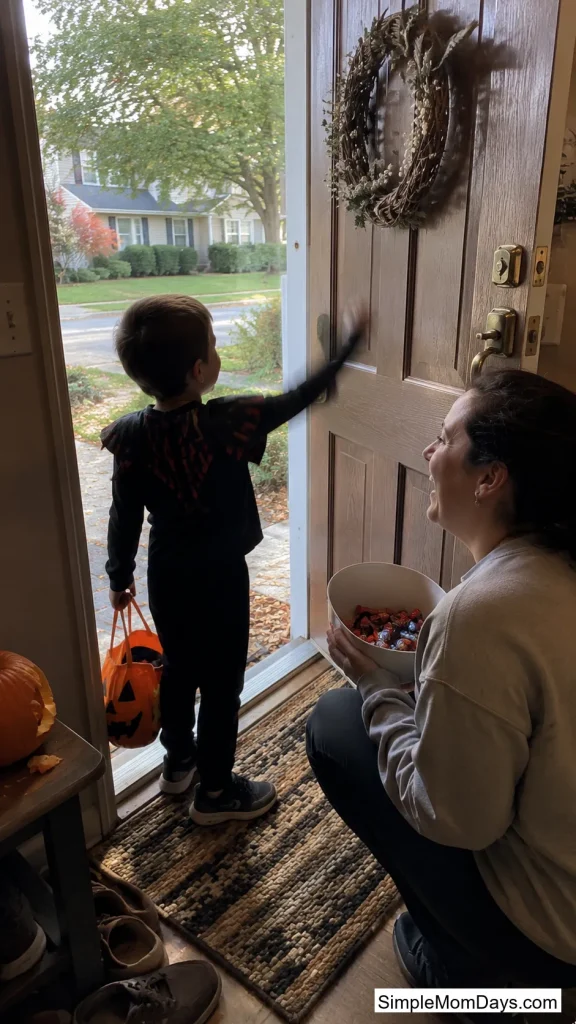
12. Practicing the Knock-and-Greet
Role-play trick-or-treating right at your own front door a few days early. Take turns being the trick-or-treater and the person answering, so your child hears exactly what to say and what to expect back before it happens with an actual stranger.
This turns an unscripted social interaction into something rehearsed and predictable, which lowers the stakes considerably for a kid who gets anxious about talking to people they don’t know. A minute of practice can prevent a full freeze-up on the real doorstep.
Let them decide on their own line, even if it’s just “trick or treat” — ownership over the words helps.
13. A Comfort Object Check-In Spot
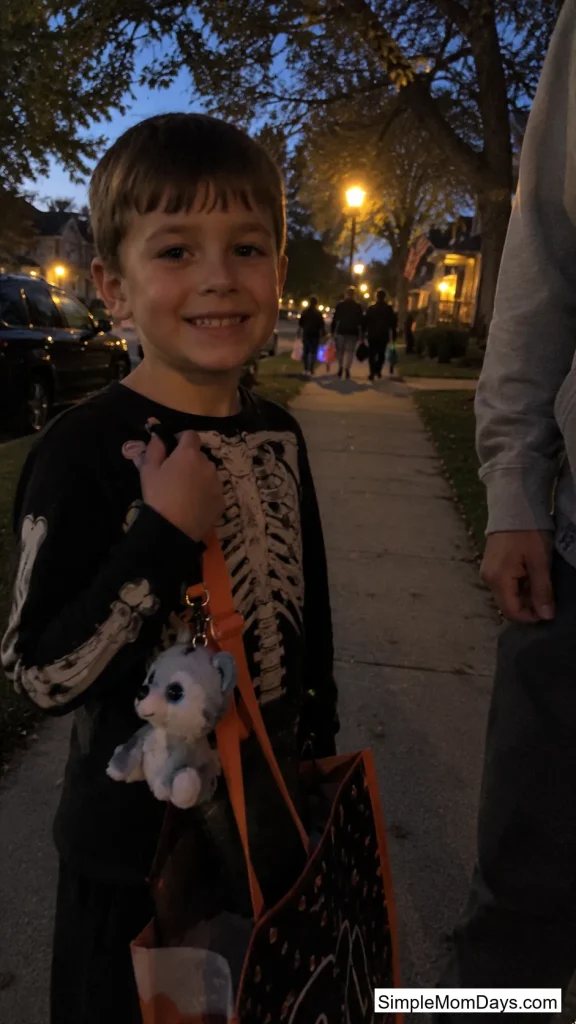
Before heading out, agree on one small comfort item your child can carry — a fidget toy, a small stuffed animal clipped to their bag, or a specific bracelet — and a simple signal for when they need a break. Something as basic as “if you squeeze my hand twice, we go home” works.
Knowing there’s a built-in exit plan, decided in advance rather than negotiated mid-meltdown, takes a lot of pressure off. Kids are often willing to try something harder when they know for certain they’re allowed to stop.
Stick to the plan without argument if they use the signal — that’s what builds trust in it for next year.
Cozy At-Home Traditions
Sometimes the best move is skipping the outdoor version of Halloween altogether and building a home-based tradition your child actually looks forward to.
14. A Gentle Movie and Blanket Fort Night
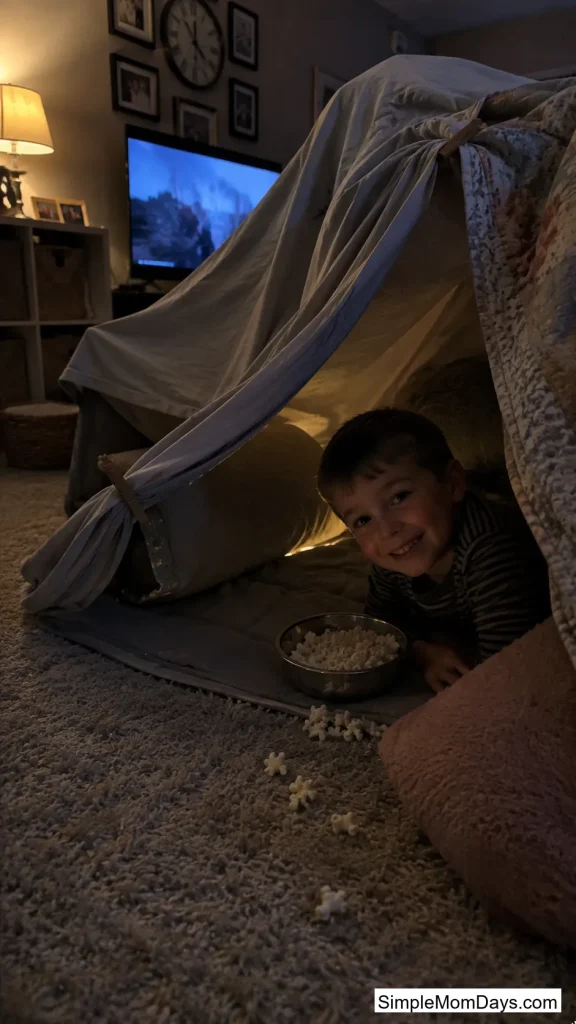
Build a blanket fort in the living room, dim the lights just slightly, and put on a Halloween movie that’s more silly than spooky. Popcorn and a fort do a lot of the emotional work here — Halloween becomes about coziness instead of fear.
This gives your child full control over how “Halloween” their evening gets, without a single unpredictable element. If they want to peek out of the fort during a slightly tense scene and duck back in, that’s entirely their call.
Rotate in a few different movies each year so it becomes its own tradition, separate from whatever else the holiday involves.
15. Baking Instead of Trick-or-Treating
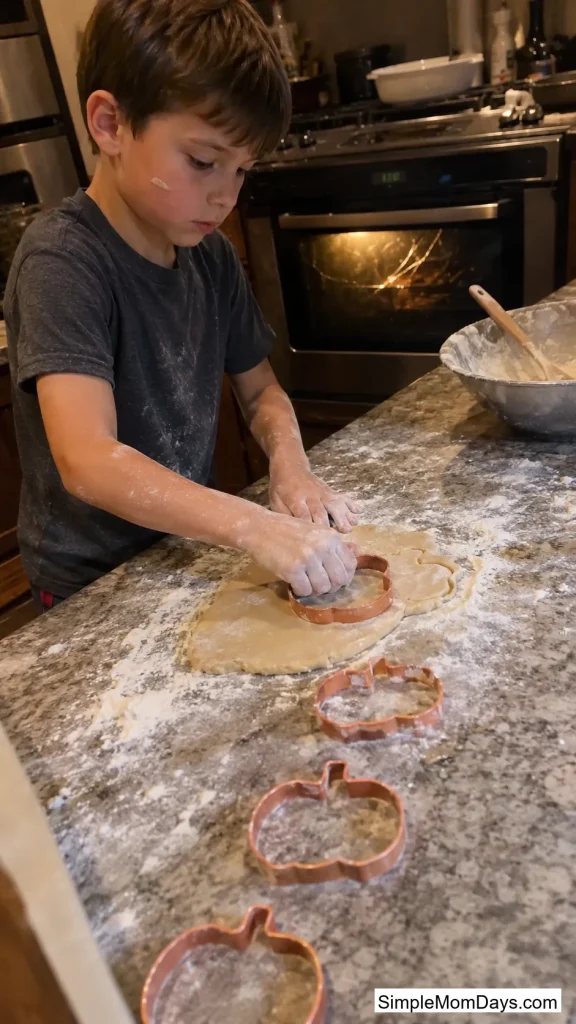
Spend Halloween evening making a simple batch of pumpkin bread or Halloween-shaped sugar cookies together instead of heading out the door. Measuring, stirring, and decorating gives your child a hands-on project with a reward they helped create themselves.
For a kid who finds trick-or-treating overwhelming, this swaps out sensory overload for sensory input they actually enjoy — the smell of cinnamon, the warmth of the oven, the predictability of a recipe followed step by step.
Let them pick the shape of the cookie cutters so the whole activity feels like their choice, not a consolation prize.
16. A Costume Parade for Stuffed Animals
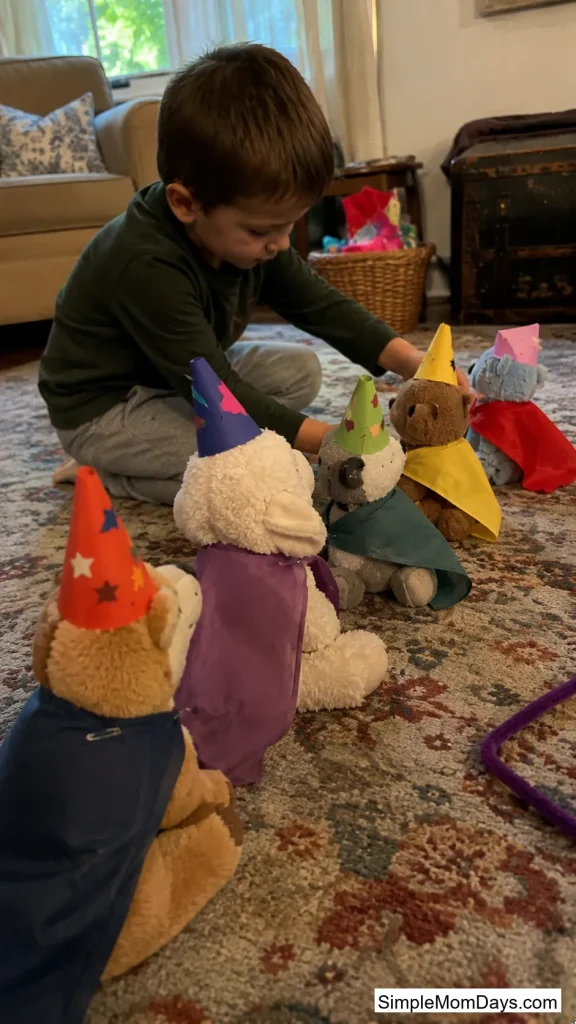
Dress up a lineup of stuffed animals in tiny homemade costumes — a scrap of fabric cape, a paper hat, a pipe-cleaner headband — and hold a mini parade across the living room floor. Your child gets to direct the whole show without wearing a costume themselves if that part still feels like too much.
This lets a child who isn’t ready for their own costume still take part in the dress-up side of Halloween, just once removed. It’s also a low-key way to test whether they’re curious about certain costume ideas before committing to wearing one.
Take a photo of the “parade” and let your child look back on it as its own Halloween memory, separate from anyone else’s night out.
17. A Family Candy Trade Game
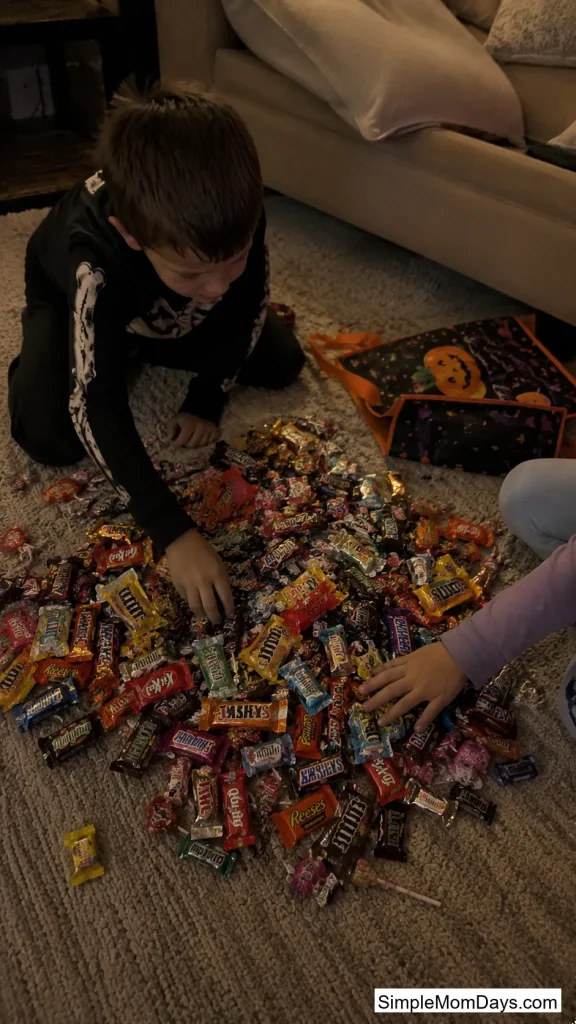
Dump everyone’s candy into one big pile on the living room floor and take turns picking pieces to trade, one at a time, like a mini auction. No doorbells, no costumes required, no strangers — just the actual best part of Halloween for a lot of kids anyway.
This gives an anxious child the payoff of Halloween candy without needing to have earned it by trick-or-treating first. You can buy a few bags ahead of time specifically for this if your child skipped door-knocking altogether.
Set a simple rule, like one trade per turn, so it doesn’t turn into a free-for-all.
None of these ideas require your child to push through fear to “earn” a good Halloween. Pick two or three that match what your kid actually struggles with, skip the rest, and let this be the year Halloween stops being something to survive.